eFill Trainings

info@efillmarketing.com +91 973 181 5486

What is SEO? – A Complete Guide to Search Engine Optimization

Introduction

In today’s digital-first world, having a website is not enough — your customers must be able to find you easily on Google. This is where SEO (Search Engine Optimization) comes in.

SEO helps your website rank higher on search engines like Google, Bing, and Yahoo, driving organic (free) traffic to your website and improving your visibility to potential customers.

Whether you’re a beginner, a business owner, or a marketer, understanding SEO is the foundation for digital success.
What is SEO?

What is SEO?

SEO (Search Engine Optimization) is the process of optimizing your website so that it ranks higher in search engine results for relevant keywords.

When someone searches for a term like “best digital marketing company in Bangalore”, SEO ensures your website appears among the top results.

SEO is about understanding what people search for online, the words they use, and how search engines evaluate websites — so you can appear exactly where your audience is looking.

How SEO Works

Search engines like Google use automated bots (called crawlers) to visit and analyze web pages. They index these pages and rank them based on relevance, content quality, and user experience.

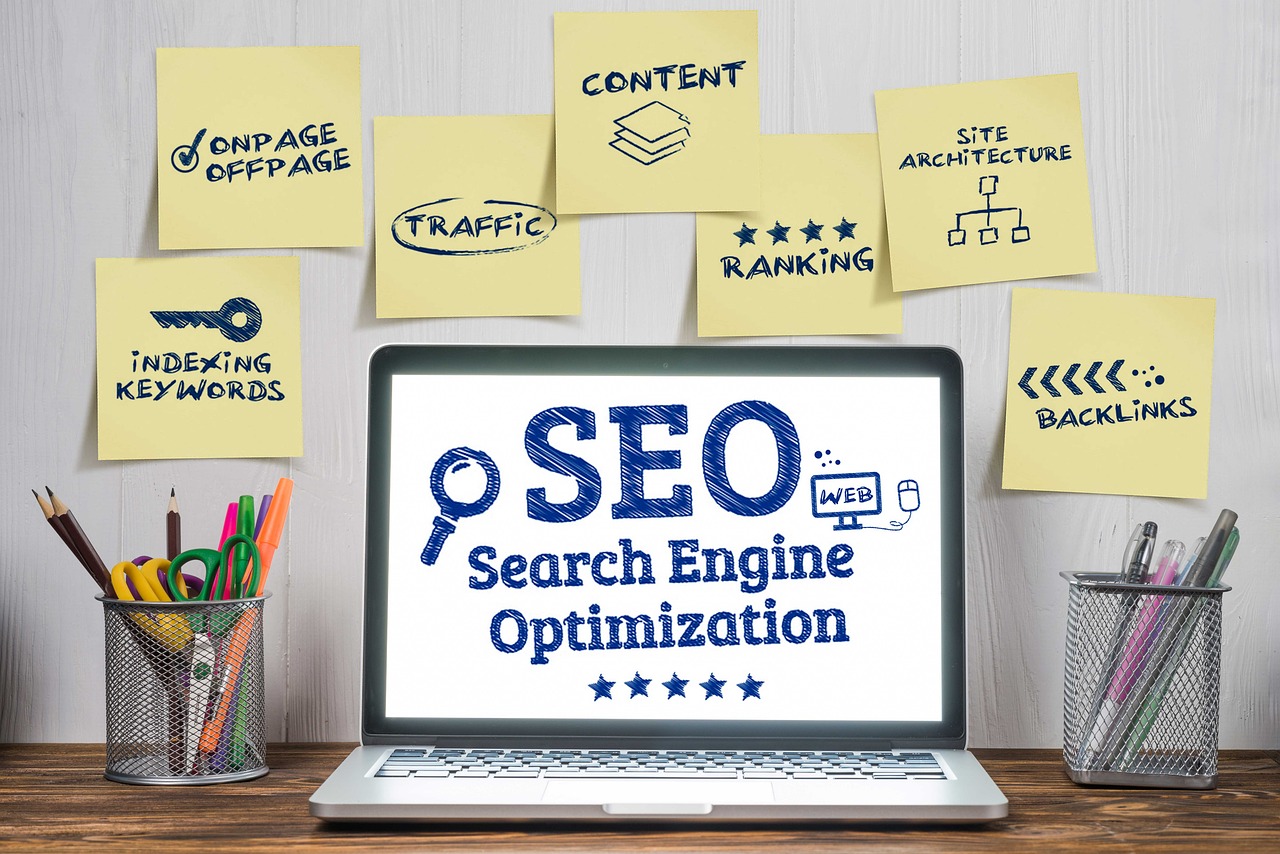
SEO involves improving your website in three major areas:

  • On-Page SEO: Optimizing your content and HTML elements.
  • Off-Page SEO: Building backlinks and online reputation.
  • Technical SEO: Ensuring website speed, mobile-friendliness, and proper indexing.

Types of SEO

Once you complete the free modules, you can upgrade to our paid SEO training program to gain advanced knowledge, practical skills, and certification.

1. On-Page SEO

Focuses on optimizing elements within your website. Includes:

  • Keyword research and placement
  • Title tags, meta descriptions, and headings (H1, H2, H3)
  • Image optimization (alt text, file size)
  • Internal linking
  • High-quality, original content
2. Off-Page SEO

Focuses on activities outside your website to improve its authority and trust. Includes:

  • Backlink building from high-authority websites
  • Guest posting
  • Social media engagement
  • Online reputation management
3. Technical SEO

Focuses on backend elements that help search engines crawl and index your site efficiently. Includes:

  • Mobile responsiveness
  • Page speed optimization
  • XML sitemaps and robots.txt
  • HTTPS (SSL security)
  • Structured data (schema markup)
SEO Importance

Why SEO is Important for Your Business

SEO is not just about ranking higher — it’s about driving the right traffic that converts.

Here’s how SEO helps your business grow:

  • Increases Website Visibility: Makes it easier for potential customers to find you.
  • Builds Trust & Credibility: Higher rankings indicate authority and reliability.
  • Generates Organic Leads: Brings in consistent, free traffic without paying for ads.
  • Improves User Experience: Fast, mobile-friendly websites perform better in SEO and user satisfaction.
  • Delivers Long-Term Results: Unlike paid ads, SEO continues to bring traffic over time.

Example: How SEO Works in Real Life

Imagine you own a bakery in Bangalore.

By optimizing your website for keywords like “best bakery in Whitefield” or “birthday cakes near me”, SEO helps your bakery show up when people search those terms on Google.

As your ranking improves, more people visit your site — leading to higher inquiries and sales without spending extra on ads.

Key SEO Ranking Factors

Search engines use hundreds of signals to decide ranking, but the most important include:

  • Quality and relevance of content
  • Website loading speed
  • Mobile friendliness
  • Number and quality of backlinks
  • Keyword optimization
  • Secure (HTTPS) connection
  • User experience and click-through rate (CTR)

Essential SEO Tools

To make SEO easier, professionals use tools like:

  • Google Search Console – To track site performance on Google
  • Google Analytics – To monitor traffic and behavior
  • Ahrefs / SEMrush – For keyword and backlink analysis
  • Yoast SEO / RankMath – For on-page optimization (WordPress)
  • Ubersuggest – For keyword ideas and competition analysis

Benefits of SEO

Benefit Description
Better Visibility Improves your position on search engines
Cost-Effective Free, long-term traffic compared to paid ads
More Leads Attracts quality, intent-based visitors
Brand Awareness Builds online credibility and trust
Competitive Advantage Outranks competitors in your niche

Common SEO Mistakes to Avoid

  • Stuffing keywords unnaturally in content
  • Ignoring mobile optimization
  • Copying or duplicating content
  • Buying spammy backlinks
  • Not updating old content regularly
  • Forgetting local SEO optimization

Conclusion

SEO is the backbone of digital marketing. It ensures that your website not only looks good but also reaches the people searching for your services.

A well-optimized website can help you attract targeted traffic, boost conversions, and grow your business organically.

Ready to optimize your website for better rankings?

Explore eFill Marketing’s SEO Services or learn with our Free SEO Training Course Online to get started today.

Frequently Asked Questions

Q1. What does SEO stand for?
SEO stands for Search Engine Optimization, a process to improve your website’s ranking on search engines.

Q2. How does SEO help in digital marketing?
SEO helps improve online visibility, attract organic traffic, and generate qualified leads for businesses.

Q3. Is SEO free?
SEO is mostly free but requires consistent effort, tools, and sometimes expert guidance.

Q4. How long does SEO take to show results?
Typically, SEO results appear within 3–6 months, depending on competition and strategy.

Q5. What are some examples of SEO?
Optimizing title tags, adding keywords, writing quality content, and earning backlinks are all examples of SEO.